How to Prevent Password Cracking Script Hacks: Fortifying Your Digital Defenses
Published February 14, 2024, updated February 26, 2024
You prevent password cracking script hacks by using long, unique passwords stored in a password manager, turning on multi-factor authentication, and hardening the server side with secure password hashing and login protections like CAPTCHAs. Password cracking script hacks pose a significant threat to personal and organizational data, leading to potential financial loss, identity theft, and compromised privacy. This article delves into these methods to thwart these attacks, ensuring your digital safety remains intact.
Introduction to Password Security
Understanding the fundamentals of password cracking is the first step towards safeguarding your digital assets. Cybercriminals employ various techniques, such as brute force attacks, dictionary attacks, and phishing schemes, to crack passwords. These methods exploit weak passwords, leveraging automated scripts to gain unauthorized access to user accounts. The importance of strong passwords cannot be overstated, as they form the first line of defense against these intrusions.
Understanding Password Cracking Scripts
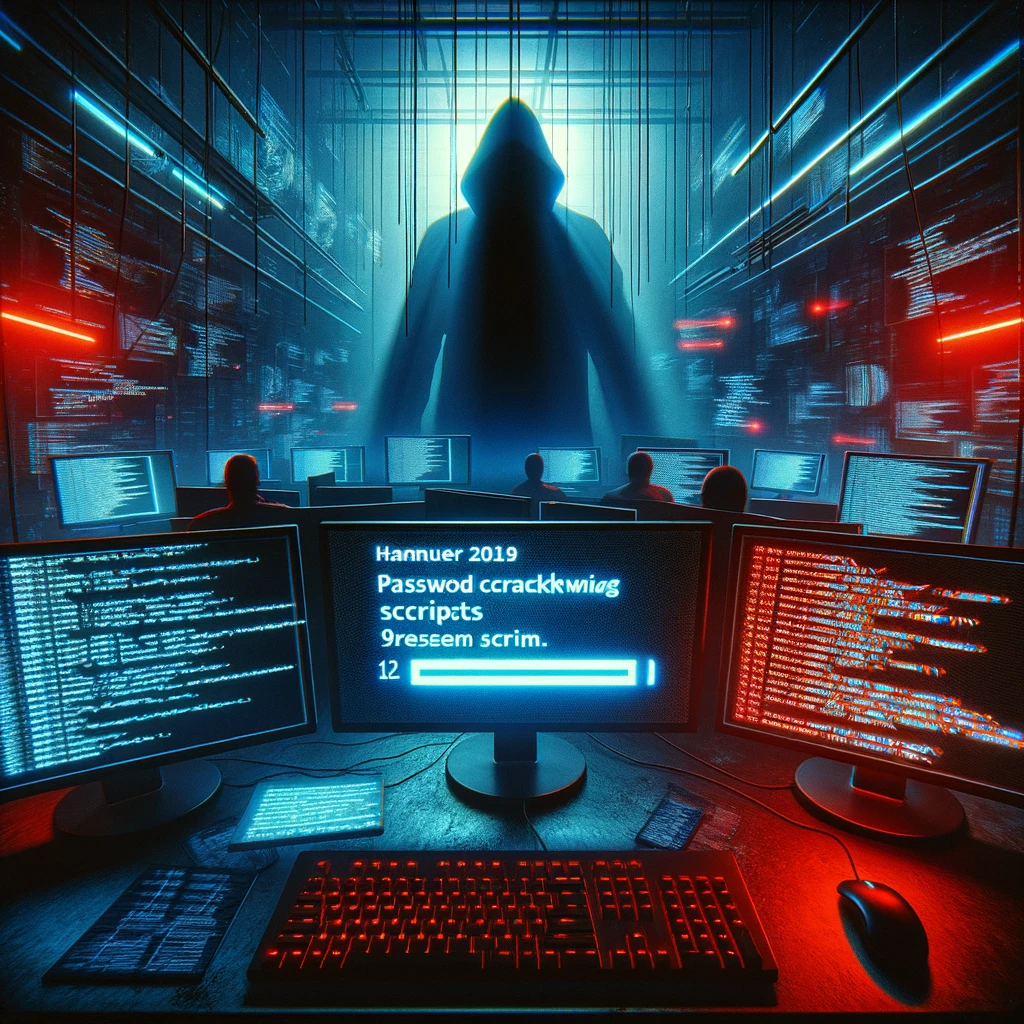
Password cracking scripts are tools designed to bypass security by guessing passwords through automated attempts. These scripts, such as Hydra, John the Ripper, and Hashcat, utilize different strategies to crack passwords, including leveraging known information and exploiting system vulnerabilities. Understanding how these scripts operate provides valuable insights into strengthening your password security measures.
Enhancing Your Password Security
Creating Strong Passwords
A robust password is your first barrier against hackers. Here are some guidelines for creating strong passwords:
- Length and Complexity: Opt for passwords that are at least 12 characters long, incorporating a mix of upper and lower case letters, numbers, and symbols.
- Unpredictability: Avoid using easily guessable information, such as names, birthdates, or common words. Instead, opt for random phrases or combinations that are difficult to predict.
- Password Generators: Consider using a reliable password generator to create strong passwords that are hard to crack.
Using Password Managers and Multi-Factor Authentication (MFA)
- Password Managers: These tools store your passwords in a secure, encrypted database, allowing you to maintain unique, complex passwords for each account without the need to remember them all.
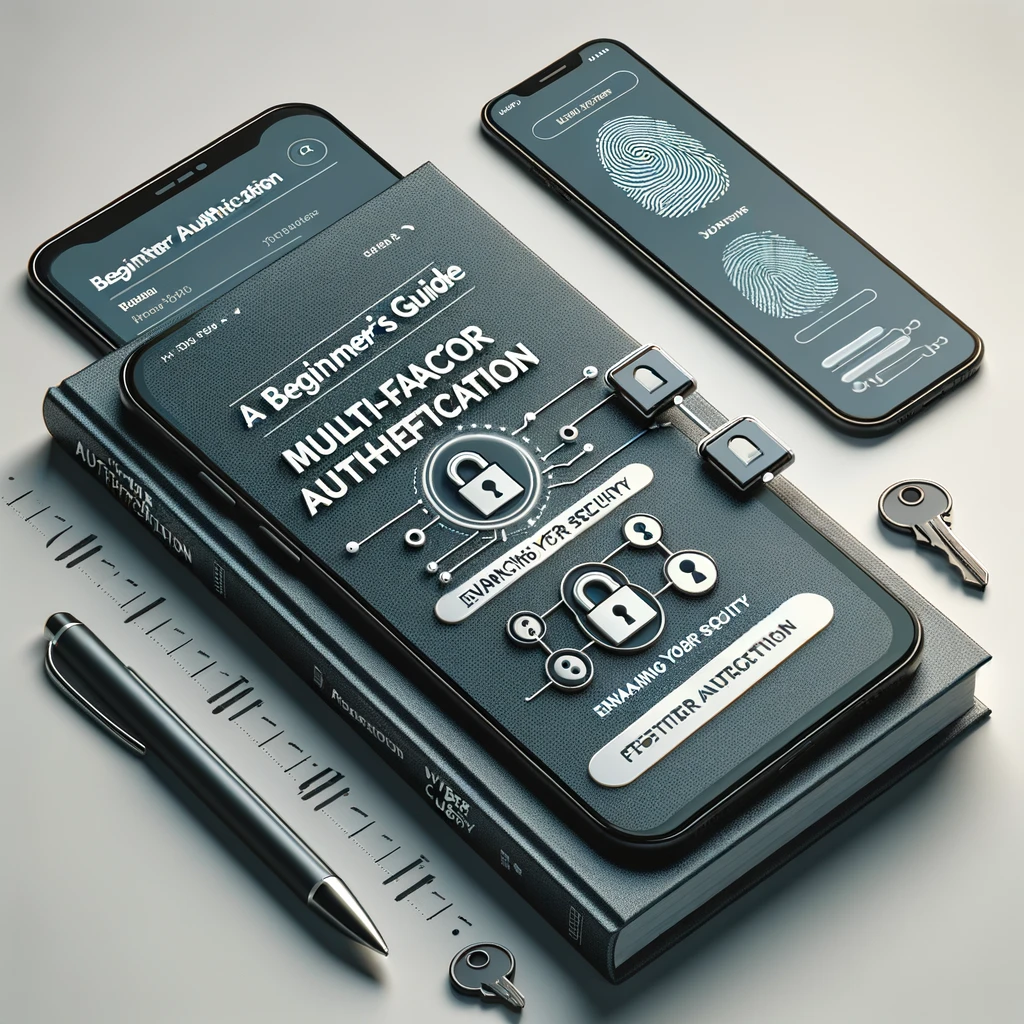
- Multi-Factor Authentication: MFA adds an additional layer of security by requiring two or more verification methods to gain access to your account, such as a password and a code sent to your phone.
Technical and Server-Side Measures
Implementing technical safeguards is crucial in preventing password cracking attempts:
- Encryption and Hashing: Ensure that passwords are stored using secure hashing algorithms, making it difficult for hackers to decipher them even if they gain access to the database.
- CAPTCHAs: Incorporating CAPTCHAs on login pages can help deter automated scripts by requiring users to perform tasks that are easy for humans but challenging for bots.
- Server Security: Apply best practices for server security, such as using Secure Sockets Layer (SSL) encryption for data transmission and regularly updating and patching servers to fix vulnerabilities.
Education, Awareness, and Compliance
Raising awareness and educating users and employees about the importance of password security is fundamental. Conduct regular training sessions on best practices, such as not reusing passwords across different sites and recognizing phishing attempts. Additionally, ensure compliance with relevant data protection regulations, which often mandate specific security measures to safeguard personal information.
The Future of Digital Security
As technology advances, so do the methods used by cybercriminals. Staying informed about the latest security threats and solutions is vital. The future of digital security may include more sophisticated authentication methods, such as biometric verification, which could offer stronger security than traditional passwords.
Conclusion
Protecting against password cracking script hacks is an ongoing battle that requires vigilance, education, and the implementation of robust security measures. By creating strong passwords, using password managers and MFA, applying technical safeguards, and fostering a culture of security awareness, individuals and organizations can significantly reduce their vulnerability to these attacks. Remember, in the realm of digital security, being proactive is always better than being reactive.
**============================================ I need 5 Upvotes/Likes to create More GPT’s Like this.
Get LIFETIME ACCESS to “My Private Prompt Library”: https://ko-fi.com/s/277d07bae3
Do you want to write 100% Human-Content? Pass All the AI-Detectors with ChatGPT Generated Content? Then this is for you: https://ko-fi.com/post/1000-Pass-AI-Detectors-Test-Guaranteed-X8X0OVIKC
Looking for a custom GPT? or SEO services for your website? Hire me on Fiverr https://go.fiverr.com/visit/?bta=849445&brand=fiverrhybrid&landingPage=https%3A%2F%2Fwww.fiverr.com%2Fdigitals_%2F