Unraveling the Differences: Managed Detection and Response (MDR) vs. Security Operations Center (SOC)
Published February 9, 2024, updated February 26, 2024
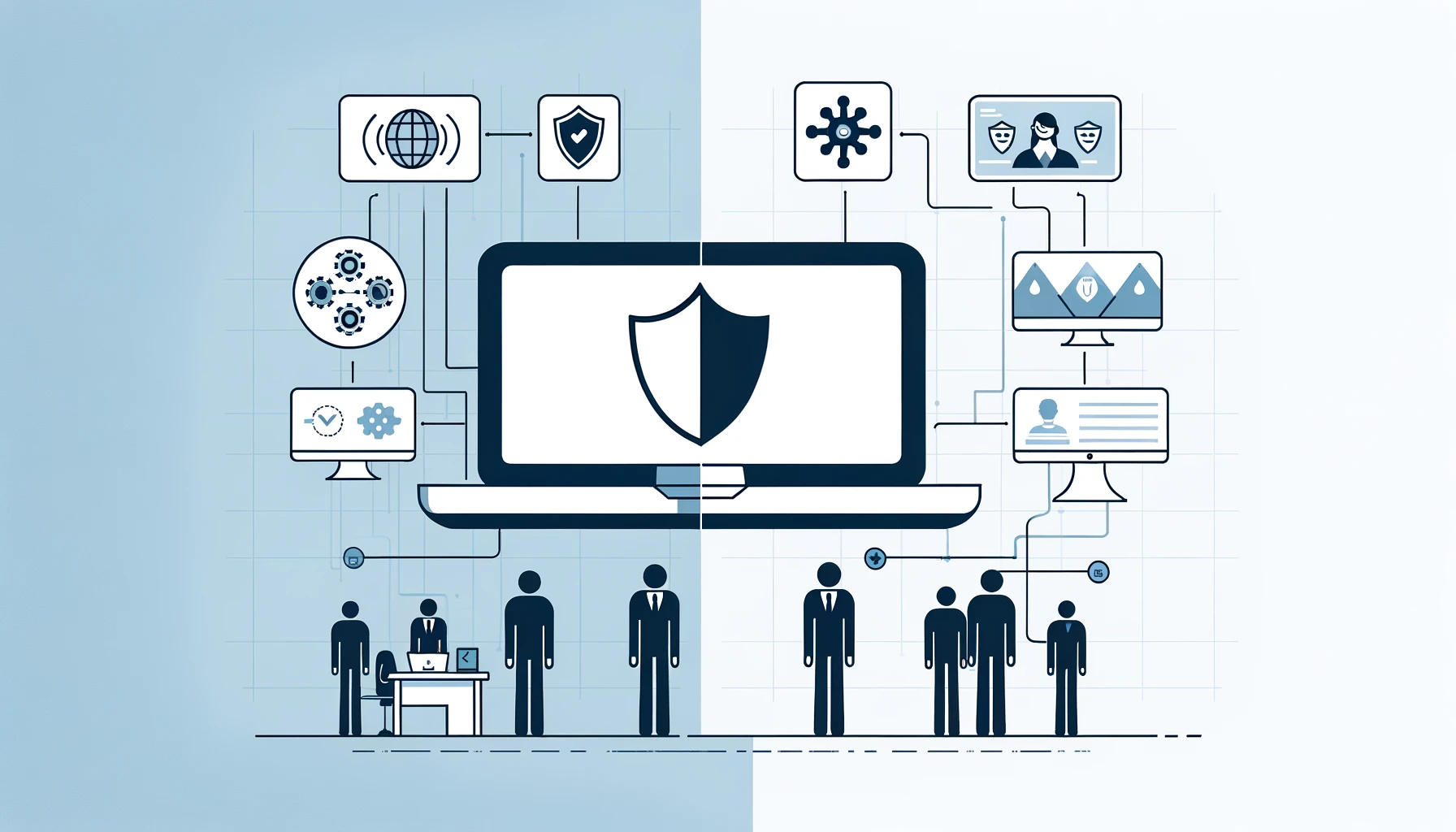
The core difference is one of scope: a Security Operations Center (SOC) is a broad security function (often in-house) that monitors and defends your whole organization, while Managed Detection and Response (MDR) is an outsourced service focused specifically on detecting and responding to threats. In the digital age, where cyber threats loom larger and more sophisticated, organizations are increasingly prioritizing cybersecurity. Two critical components in the cybersecurity framework are Managed Detection and Response (MDR) and Security Operations Center (SOC). While both play essential roles in safeguarding digital assets, they operate differently, offering unique benefits. Understanding the distinction between MDR and SOC is crucial for businesses aiming to implement an effective cybersecurity strategy.
What is a Security Operations Center (SOC)?
A SOC is a centralized unit that deals with security issues on an organizational level. It’s staffed with security analysts and engineers who monitor, analyze, and respond to cybersecurity incidents using a combination of technology solutions and processes. The SOC is responsible for the continuous, operational component of enterprise information security, including:
- Threat Detection: Identifying potential security threats using a variety of tools.
- Incident Response: Managing and mitigating the effects of cyber attacks.
- Security Monitoring: Continuously monitoring network traffic and logs to identify suspicious activities.
- Compliance Management: Ensuring the organization complies with relevant security standards and regulations.
What is Managed Detection and Response (MDR)?
MDR is a service that offers organizations outsourced monitoring and management of security devices and systems. Common services include managed firewall, intrusion detection, antivirus services, and vulnerability scanning. MDR providers use advanced technologies and expertise to detect, analyze, respond to, and mitigate cybersecurity threats, offering:
- Advanced Threat Detection: Utilizing sophisticated tools and techniques to identify threats that traditional tools may miss.
- 24/7 Monitoring and Response: Offering round-the-clock surveillance and rapid response to threats.
- Expertise and Insight: Access to cybersecurity experts who can provide insights and recommendations for improving security posture.
Key Differences Between MDR and SOC
While MDR and SOC both aim to enhance an organization’s cybersecurity posture, there are several key differences between them:
Scope of Services
- SOC: Provides a broad range of security services, focusing on monitoring, detecting, and responding to threats across the organization’s network.
- MDR: Focuses more narrowly on detecting and responding to threats, often using advanced methodologies and technologies to address sophisticated attacks.
Operational Model
- SOC: Typically operates as an in-house team or a dedicated facility within the organization, although it can also be outsourced.
- MDR: Primarily an outsourced service provided by third-party vendors specializing in cybersecurity.
Technology and Tools
- SOC: Utilizes a variety of security tools, including SIEM (Security Information and Event Management), intrusion detection systems, and more.
- MDR: Leverages advanced analytics, AI, and machine learning technologies to detect and respond to cyber threats more effectively.
Focus and Expertise
- SOC: Maintains a broader focus on overall organizational security, including compliance and risk management.
- MDR: Concentrates on advanced threat detection and response capabilities, often providing deeper insights into specific types of attacks.
Combining MDR and SOC for Enhanced Security
Organizations don’t necessarily have to choose between MDR and SOC; in fact, many find that a combination of both offers the most comprehensive cybersecurity posture. An SOC can provide broad coverage and manage day-to-day security operations, while MDR can add a layer of specialized expertise and advanced threat detection capabilities. Together, they offer a robust defense against an ever-evolving threat landscape.
Conclusion
Understanding the differences between MDR and SOC is essential for organizations looking to strengthen their cybersecurity defenses. While SOC offers a broad, organizational-level approach to security, MDR provides specialized services focused on advanced threat detection and response. By evaluating their unique cybersecurity needs, organizations can choose between these models or integrate both to create a comprehensive cybersecurity strategy that safeguards their digital assets against sophisticated threats.