How to sell data to AI companies safely: a seven-step checklist
Published October 14, 2026
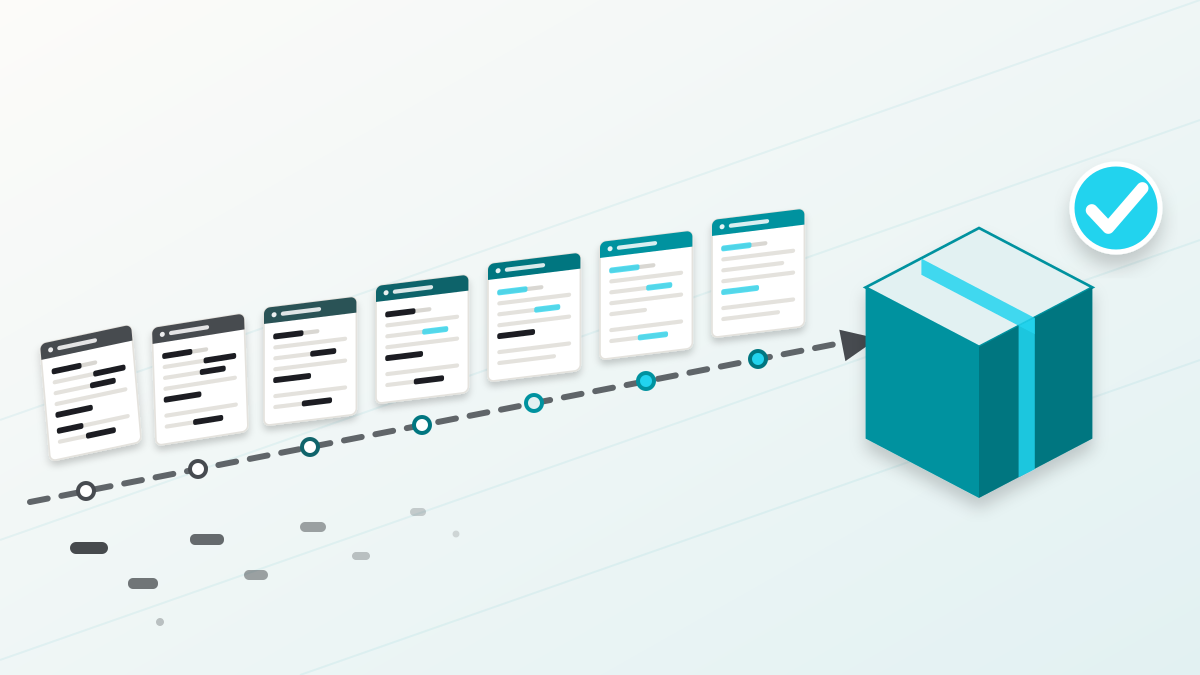
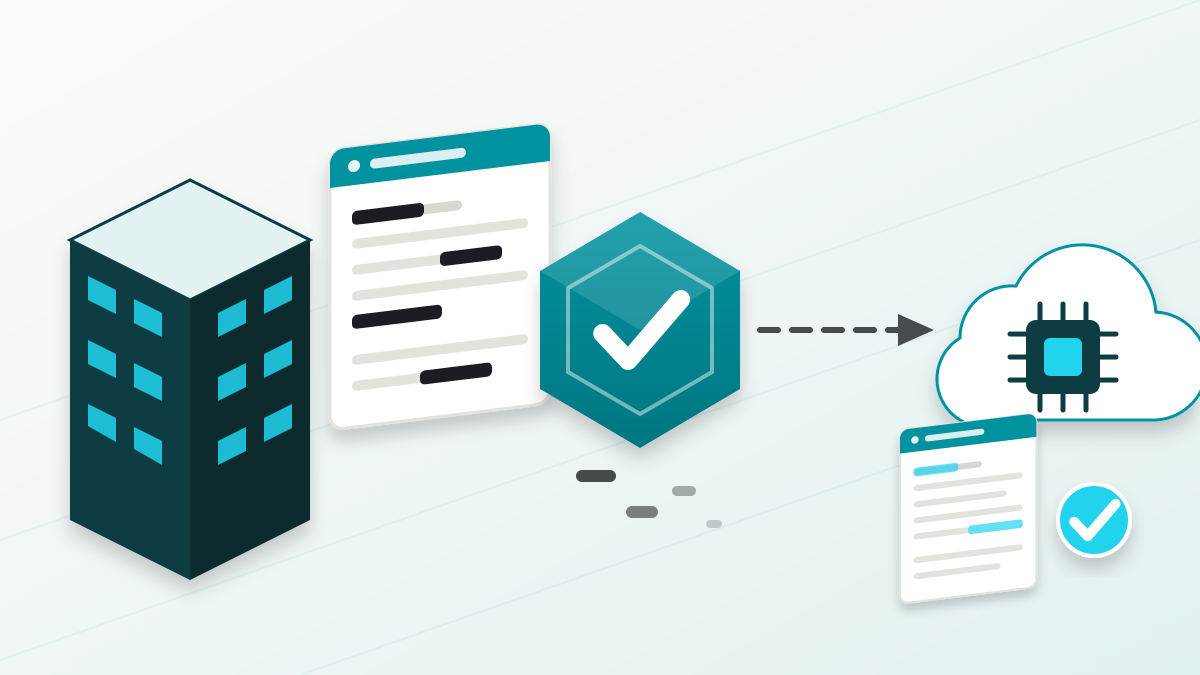
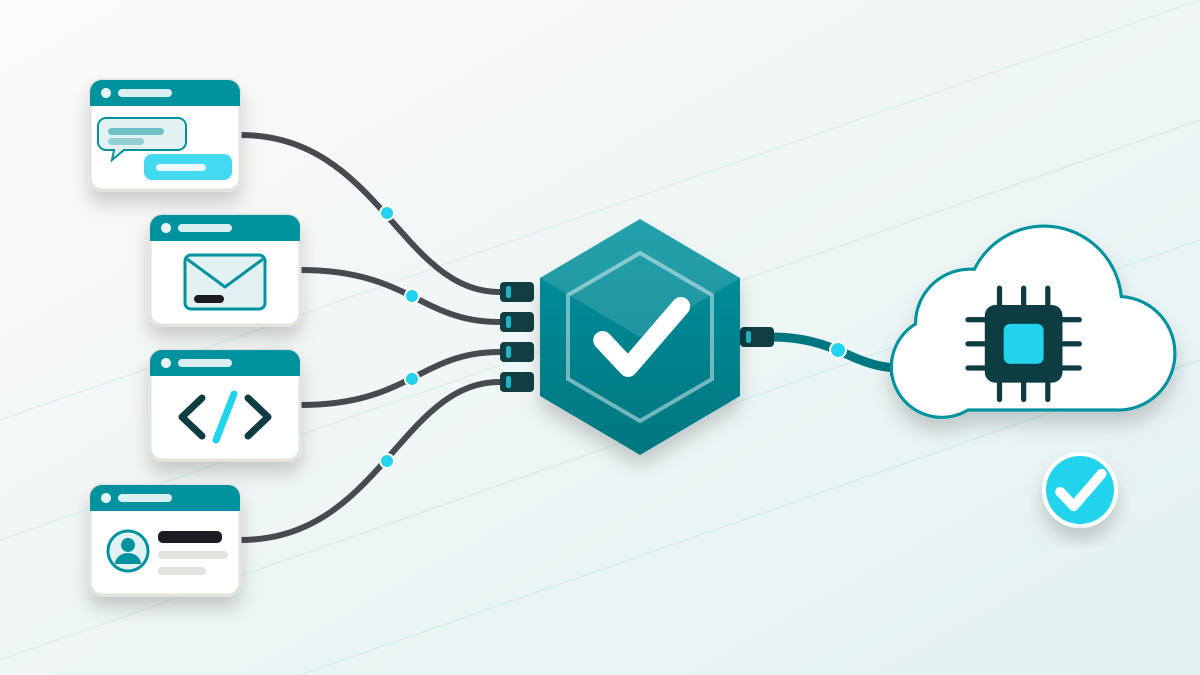
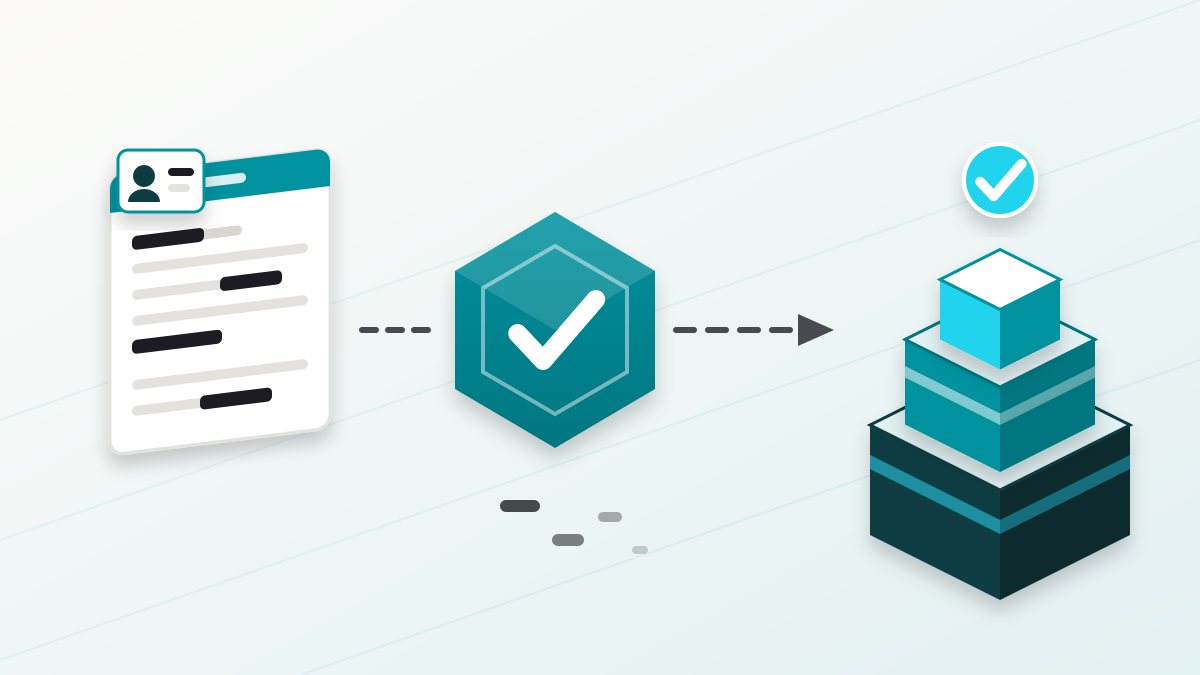
To sell data to AI companies safely, inventory your records, set aside what you have no right to license, read the agreement, and have identifying details removed and checked before anything leaves. With a written record of each step, years of email, accounting and ticket history may be licensable while identifiable records stay inside the company, if the buyer accepts an export you cleaned first. Ask that in writing. This checklist on how to sell data to AI companies is for an owner, CFO or office administrator who was pitched by a data broker. It covers companies licensing business records, not individuals selling personal data.
Data brokers gather records from many businesses and supply them to AI developers. The details below come from eight brokers' public pages as of October 14, 2026; confirm each one in your agreement. Desert Lakes Solutions represents the company selling its data, not the broker, and is not affiliated with any broker named here.
Step 1: Inventory what you hold
What to do. List every system that holds records: Microsoft 365 mail and Teams, accounting, ticketing, call recordings, payroll, customer records (CRM) and scanned paper, with the date range, size, contents and anyone else with a claim on each.
What the buyers' pages say. Handshake's license page says you determine exactly what is shared, Turing's Project Lazarus page says you decide what is in scope and redacted, and Troveo's guide to selling data lists a rights inventory among its first steps.
What it prevents. Without a written list, a sample request can reach records you never chose to include.
Step 2: Set carve-outs with counsel
What to do. Mark records you hold but may not have the right to license, and agree with counsel what stays out.
What the buyers' pages say. Replay asks you to represent that the data is yours to license, and DataVendor asks sellers to confirm they own the supply. The law firm Frankfurt Kurnit Klein & Selz (FKKS) notes that holding data does not always mean you may sell it: email and chat carry other companies' confidential information under confidentiality agreements (NDAs), privacy statements may limit new uses, and employee chats may touch workers' legal right to discuss pay and working conditions.
What it prevents. If you had no right to license a record, the warranty you gave may leave the exposure with you, whoever cleaned it. Ask counsel how the agreement allocates it.
Step 3: Read the agreement before you sell data to AI companies
What to do. Have counsel read for which rights move, exclusivity, deletion, liability, your warranties, and what the fee covers.
What the buyers' pages say. Handshake's overview says it buys company data and also that it licenses it, Appen describes a license with no transfer of ownership, and Turing's page mentions a clean rights transfer, so ask which rights actually move. Appen agrees deletion terms in writing before extraction, and Replay deletes your data on request if you decide not to continue; ask whether those terms bind every lab that receives it. Replay's terms have the seller warrant its right to provide the data and cap Replay's liability at fees paid in the prior 12 months.
What it prevents. Learning the deletion or exclusivity terms after the data is gone.
Step 4: Decide who cleans the data, and when
What to do. Ask in writing who removes identifying details, where raw records sit meanwhile, and whether the buyer will accept an export you already cleaned. None of the pages below where the broker does the cleaning says whether it will.
What the buyers' pages say. Most put the cleaning on the broker's side, after the raw data arrives.
| Buyer | Who cleans, per its own page | When or where |
|---|---|---|
| Handshake AI | Handshake; you transfer the data as it exists today | After transfer |
| Troveo | Troveo handles the anonymization | After export |
| Appen | Automated cleaning software; no lab or third party sees raw data; you approve a sample | After the broker copies your data without changing it |
| Centific | Automated cleaning software; you approve a sample | After the broker copies your data without changing it |
| Protege | Protege; you need not clean first | After access |
| Replay | Replay; data first comes to it solely for de-identification | After transfer |
| Turing Project Lazarus | You decide what is redacted | In an air-gapped environment (no outside network connection) |
| DataVendor | The seller removes secrets, credentials and customer information | Before upload |
Protege adds, "we do not review every record in full." In the Spirit Airlines bankruptcy sale, a third party acceptable to or designated by the buyer was to de-identify the data (strip out details that point to a person) before transfer (TNW). Stretto's report (September 13, 2026) says the parties agreed to California's deidentified standard and, for protected health information, HIPAA (the US health privacy rule). As of October 14, 2026, the consumer privacy ombudsman (a privacy reviewer the bankruptcy court appoints) had recommended approval and the sale was still pending, with the hearing since moved to November 6 (Skift; TNW); check the docket for the ruling. Our Handshake AI guide covers one broker in detail.
What it prevents. Where the broker cleans, identifiable records leave first.
Step 5: Clean before transfer
What to do. Remove or transform what identifies your people before the export leaves, and log every change. Remove the company too: its name, domains, letterhead, client list and project names lead back to you, then to your people. Use codes that mean nothing, such as PERSON_0412, never built from the real name.
| Source | What identifies | Before it leaves |
|---|---|---|
| Email and chat | Names, signatures, domains, headers, mentions in the text | Code names, strip headers and signatures, review the text |
| Accounting | Customer and vendor names, invoice and account numbers, memos | Code names and numbers, review memos |
| Help desk tickets | Requester and client names, notes | Code names, review notes |
| HR and payroll | Everything about a named employee | Often a carve-out; decide with counsel |
| Call recordings | Voices and names said aloud | Scrubbed transcripts; voice recordings carry voice prints, which HIPAA lists as an identifier |
Free text, such as email bodies, chat and ticket notes, usually needs a person to read it; FKKS notes that scrubbing millions of messages is much harder than removing names from structured fields.
What the rules say. For most companies outside healthcare, HIPAA may not govern the data (ask counsel if you run a self-funded health plan or handle health records for clients), but the Spirit Airlines sale agreed to follow it for health data. Its Safe Harbor method has two conditions: remove 18 listed identifiers, including all elements of dates directly related to a person except the year, and voice prints; and have no actual knowledge that what remains could identify someone. The Article 29 Working Party, the EU data protection authorities' group at the time, said in its 2014 opinion WP216 that swapping names for codes is not a method of anonymization.
What it prevents. Calling coded data anonymous, or releasing audio and exact dates.
Step 6: Verify with someone who did not do the cleaning
What to do. Have a second person try to identify people or the company from the cleaned release using public sources, and record what risk remains.
What the sources say. Handshake's overview says a third party may be able to re-identify personal information in combination with other data sources, and that no de-identification process eliminates that risk entirely. The UK Information Commissioner's Office (ICO) motivated intruder test assumes a reasonably competent person using the internet, libraries and public documents. HIPAA's Expert Determination route has a qualified person find the risk very small and document the methods and results.
What it prevents. Relying on the buyer's word, or your own cleaner's, that the data is clean.
Step 7: Keep the record
What to do. Keep the inventory, carve-out decisions, transformation log, verification report and a residual-risk statement, a plain summary of the risk that remains.
What the sources say. Handshake documents its methodology for each dataset in its own governance records; keep your own. The ICO says to review anonymization decisions periodically, including when new datasets or recipients appear.
What it prevents. Having nothing of your own to show a customer, insurer or regulator who asks what left.
Where Desert Lakes fits
Our data licensing preparation service runs the inventory, cleaning, verification and record steps on the company's side, prepares the carve-out list and questions for your counsel, and hands you a documented package for counsel and the broker. Rights and contract decisions stay with your counsel. The documentation habits come from our HIPAA, SOC 2 (an independent security audit report) and cyber insurance practice.
Frequently asked questions
Can a company sell its data to AI companies?
Yes. Brokers such as Handshake AI, Troveo, Appen and Protege publish programs that pay companies to license business records for AI training. The agreement you are offered decides ownership, exclusivity and deletion, so have counsel read it before any data moves.
Do we have to clean our data before we sell it?
Most buyer pages put the cleaning on their side; Protege says you need not clean first. Handshake leaves partners responsible for a lawful transfer, so cleaning on your side, where the buyer accepts it, can keep identifiable records inside the company and gives you your own record. Ask counsel whether it changes your obligations.
How much do AI companies pay for company data?
There is no fixed rate. As of October 14, 2026, Handshake publishes a range of $100K to $4M+ depending on the data shared, and labels its estimate indicative only and not an offer. Treat any figure as a starting point until terms are in writing.
Can de-identified company data be traced back to us?
Some risk can remain, and Handshake's own overview says no de-identification process eliminates it entirely. What you can do is measure it: have someone who did not do the cleaning try to identify people or the company from public sources, write down what remains, and review it when recipients change.
How to sell data to AI companies and keep control of what leaves
Desert Lakes Solutions offers a no-pressure discovery call to walk through your systems and what should stay out. Book a discovery call.